Planning a paint job
Paint is sold by coverage, so every paint estimate starts with square feet, not with the size of the room on a floor plan. Walls, ceilings, siding and decks are measured differently, take different products and cover at different rates. That is why this aisle has a calculator for each surface instead of one general paint calculator.
The calculators here all follow the same three steps: measure the surface, multiply by the number of coats, and divide by how far a gallon goes. Each one then adds a waste allowance and rounds up to the cans the store sells, so the answer is a shopping list rather than a decimal.
Measure the surface, not the room
For walls, measure the length of each wall at the floor and the height from floor to ceiling. Adding the wall lengths together gives the perimeter; perimeter times height is the wall area. Rooms are rarely perfectly square, so measure all four walls rather than doubling two of them if anything looks off.
Subtract openings only when they are large. A standard interior door takes about 21 square feet off a wall and a typical window about 15. Small openings such as outlets and switch plates are not worth subtracting; the waste allowance absorbs them.
Ceilings are simpler: length times width. Exteriors are larger and less regular, so measure each side of the house, multiply by the wall height to the eaves, and add the triangles of any gable ends separately.
How many coats you really need
Plan on two coats for almost every repaint. One coat is only realistic when you are refreshing the same color on a wall in good condition. A color change, patched or repaired walls, a light color over a dark one, or bright saturated colors such as reds and yellows all need two coats, and sometimes a third.
Primer is a separate coat with its own coverage. It earns its place on new drywall, on bare wood and patches, over stains and water marks, on glossy surfaces and when going from a very dark color to a very light one. Products sold as paint and primer in one help on sound, previously painted walls, but they do not replace a dedicated primer on raw drywall.
- Same color, good wall: 1 coat
- New color or repaired wall: 2 coats
- New drywall: 1 coat of primer, then 2 coats of paint
- Dark to light: primer, then 2 coats
Coverage numbers and why ours are conservative
Most interior wall paints list a coverage of 350 to 400 square feet per gallon per coat. That figure assumes a smooth, primed, non-porous surface and an even application. Textured walls, fresh drywall, rough siding and porous wood all absorb more, and rollers with a thicker nap hold more paint.
The calculators default to the low end of the label range because running out halfway through a wall is worse than having a quart left over. You can change the coverage under Coverage and waste if your can states a different number.
Gallons, quarts and five-gallon buckets
Paint is sold in quarts, gallons and five-gallon buckets, and the price per gallon drops as the container grows. The shopping lists round up to the smallest combination that covers the job: whole gallons first, quarts to top up a small shortfall, and a bucket once you need five gallons or more of one color.
Three quarts usually cost about as much as a whole gallon, so the list switches to the gallon at that point. Buy all the paint for one room at the same time, or pour the cans into a larger bucket and mix them before you start, so small batch differences in color do not show on the wall.
Supplies that finish the job
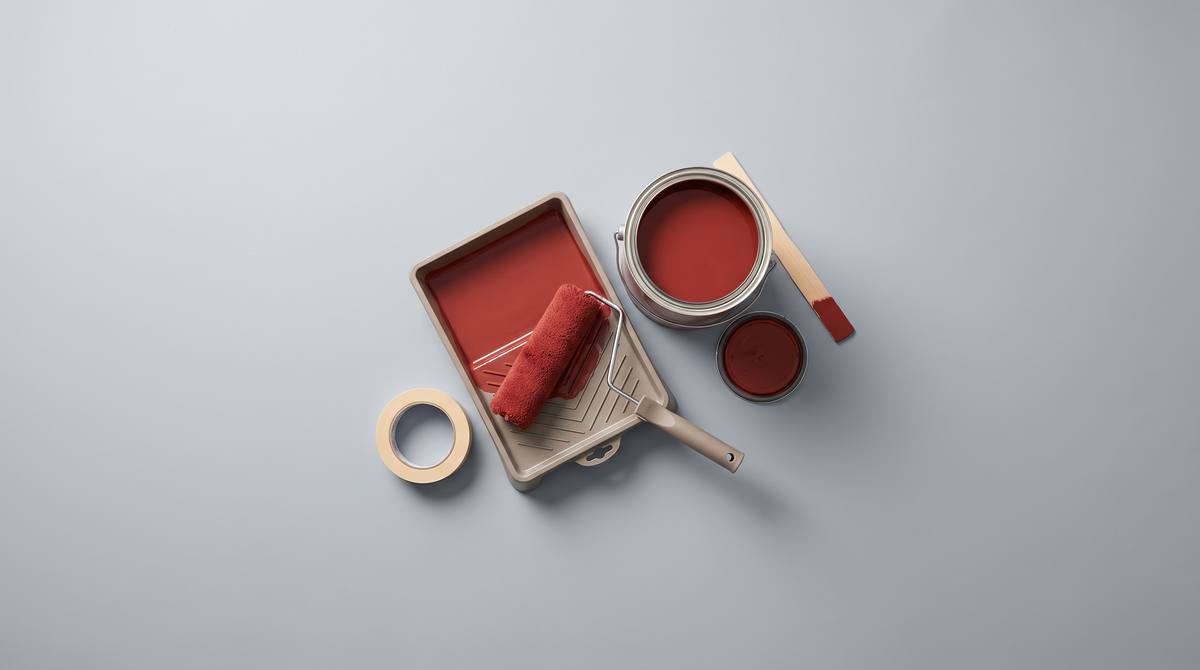
A paint job needs more than paint. Each calculator lists the supplies that go with its surface: roller covers sized to the job, painter’s tape for the ceiling line and trim, and drop cloths for the floor. Replace roller covers between primer and paint and between colors; a fresh cover gives a more even final coat.
Keep a labeled quart of every color you use, with the room and the date on the lid. It makes touch-ups invisible and saves a trip to the store when you need to match the color years later.
Calculators in this aisle
- Interior paint calculator: Room size in, shopping list out: paint by the gallon and quart, with primer, rollers and tape.
- Ceiling paint calculator: Room size in, shopping list out: ceiling paint by the gallon and quart, plus primer, an extension pole and drop cloths.
- Exterior paint calculator: House size in, shopping list out: siding paint by the bucket and gallon, trim paint, roller covers and brushes.
- Primer calculator: Room size in, shopping list out: primer by the gallon and quart for walls and ceiling, with rollers and a brush.
- Deck stain calculator: Deck size in, shopping list out: stain by the gallon for boards, railing and steps, plus the applicators.